Master Rider Position and Body Awareness for Dressage Success
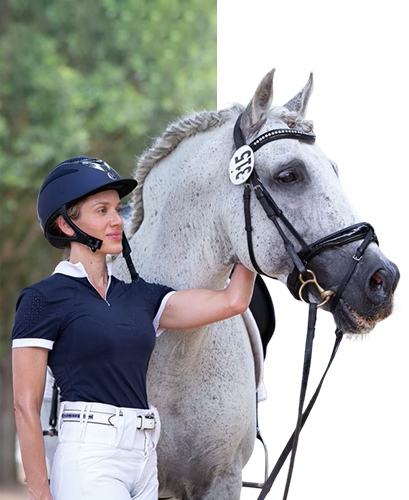
Dressage is often described as the ultimate expression of harmony between horse and rider. While much focus is placed on the horse’s training, the rider’s position and body awareness play an equally critical role in overall performance. Even the most talented horse cannot perform at its best if the rider is unbalanced, stiff, or unaware of their body.
At Functional Rider, we specialize in helping dressage riders improve their position, posture, and body control through targeted off-horse training. By developing better awareness and alignment, riders can unlock a new level of performance in the saddle.
Understanding Why Rider Position Is the Foundation of Dressage Performance and Communication
Rider position is not just about looking correct—it directly influences how effectively you communicate with your horse. Every movement, shift in weight, or imbalance sends signals to the horse, whether intentional or not.
A correct riding position allows for:
- Clear and subtle aids
- Balanced and symmetrical weight distribution
- Improved stability and control
- Better connection with the horse
- Enhanced ability to follow the horse’s movement
On the other hand, poor rider position can lead to confusion, tension, and resistance in the horse. For example, leaning forward may push the horse onto the forehand, while uneven weight distribution can cause crookedness.
Developing a correct and functional position is essential for any rider who wants to progress in dressage.
The Key Elements of an Effective Dressage Rider Position for Maximum Stability and Control
To improve performance, riders must understand what a correct position looks and feels like. The ideal dressage position includes several key elements:
Neutral Spine and Upright Posture
The rider should maintain a neutral spine—not overly arched or rounded. The upper body should be tall yet relaxed, allowing for proper balance and breathing.
Balanced Seat and Even Weight Distribution
Both seat bones should carry equal weight, ensuring the rider remains centered in the saddle.
Relaxed and Open Hips
Tension in the hips restricts movement. Open and flexible hips allow the rider to follow the horse’s motion more effectively.
Stable Lower Leg Position
The rider’s leg should hang naturally under the hip, providing stability without gripping.
Quiet and Independent Hands
Hands should remain steady and soft, following the horse’s movement without pulling or bouncing.
At Functional Rider, we focus on helping riders achieve these elements through targeted mobility and strength training.
How Body Awareness Directly Impacts Balance, Coordination, and Rider Effectiveness
Body awareness, also known as proprioception, is the ability to sense and control your body’s position and movement. Many riders struggle not because they lack skill, but because they are unaware of what their body is doing.
Common issues caused by poor body awareness include:
- Leaning without realizing it
- Collapsing one side of the body
- Gripping with the legs
- Holding tension in the shoulders or hips
- Losing balance during transitions
Improving body awareness allows riders to make precise adjustments in real time. This leads to better coordination, smoother aids, and improved communication with the horse.
Common Rider Position Mistakes That Negatively Affect Dressage Performance
Even experienced riders develop habits that limit their performance. Identifying and correcting these mistakes is crucial for improvement.
Collapsing Through One Side of the Body
This creates uneven pressure on the horse and leads to crooked movement.
Overarching or Rounding the Lower Back
This reduces stability and makes it difficult to maintain a consistent seat.
Gripping with the Knees or Thighs
This creates tension and blocks the horse’s movement.
Forward Head and Rounded Shoulders
This affects balance and disrupts the rider’s alignment.
Stiff or Locked Joints
Tension in the body prevents fluid movement and reduces effectiveness.
By addressing these issues, riders can significantly improve their performance in the saddle.
Practical Tips to Improve Rider Position and Develop Better Body Awareness
Improving rider position is not just about riding more—it requires focused and intentional practice both on and off the horse.
Focus on Alignment First
Regularly check your alignment from head to heel. Imagine a straight line running through your ear, shoulder, hip, and heel.
Develop Core Stability
A strong core helps stabilize the spine and pelvis, allowing for better balance and control.
Improve Hip Mobility
Flexible hips allow the rider to sit deeper and move more naturally with the horse.
Practice Breathing Control
Controlled breathing helps reduce tension and improve relaxation in the saddle.
Use Mirrors or Video Feedback
Visual feedback can help identify position issues that are difficult to feel.
Incorporate Off-Horse Training
Exercises that target posture, mobility, and strength can dramatically improve riding performance.
At Functional Rider, we emphasize off-horse training as a key component of rider development.
The Role of Core Strength and Stability in Maintaining a Balanced Seat
Core strength is often misunderstood. It is not about rigidly holding the body still but about maintaining stability while allowing movement.
A strong core helps riders:
- Maintain a neutral spine
- Stay balanced during transitions
- Improve sitting trot
- Reduce bouncing in the saddle
- Deliver more precise aids
Without proper core engagement, riders rely on their hands or legs for balance, which can interfere with the horse.
How Improving Hip Mobility Enhances Rider Comfort and Performance
Hip mobility is essential for absorbing the horse’s movement and maintaining a relaxed seat. Tight hips can cause stiffness, discomfort, and imbalance.
Improving hip mobility allows riders to:
- Sit deeper in the saddle
- Follow the horse’s movement smoothly
- Reduce tension in the lower body
- Improve leg position and effectiveness
Simple stretching and mobility exercises can make a significant difference over time.
Why Balance and Symmetry Are Critical for Dressage Success
Balance and symmetry are at the core of dressage riding. Horses naturally mirror the rider’s body, so any imbalance in the rider will affect the horse.
Improved balance leads to:
- Straighter movement
- Better rhythm and tempo
- Improved transitions
- Enhanced collection and extension
By developing symmetry and control, riders can help their horses perform more efficiently and comfortably.
How Functional Rider Helps Dressage Riders Improve Position and Awareness
At Functional Rider, we understand that every rider is unique. That’s why we offer personalized programs designed to address individual weaknesses and goals.
Our approach focuses on:
- Posture correction
- Core stability training
- Mobility and flexibility
- Balance and coordination
- Injury prevention
- Performance enhancement
By combining these elements, we help riders build a strong foundation for long-term success in dressage.
Creating a Consistent Routine to Improve Rider Position and Body Awareness
Consistency is key when it comes to improving rider performance. Even small daily habits can lead to significant improvements over time.
Recommended routine:
- Practice posture awareness daily
- Include 10–15 minutes of mobility work
- Perform core strengthening exercises regularly
- Review riding sessions through video
- Stay mindful of tension and relaxation
By making these practices part of your routine, you can gradually improve your position and awareness.
Final Thoughts: Unlocking Your Full Potential as a Dressage Rider
Improving your performance in the saddle is not just about training your horse—it starts with improving your own body. Rider position and body awareness are fundamental to achieving balance, harmony, and precision in dressage.
By focusing on alignment, mobility, strength, and awareness, riders can:
- Improve communication with their horse
- Enhance balance and control
- Reduce tension and discomfort
- Achieve better overall performance
At Functional Rider, we believe that when riders improve their bodies, they unlock their horse’s true potential. Investing in your own physical development is one of the most powerful steps you can take toward becoming a more effective and confident dressage rider.