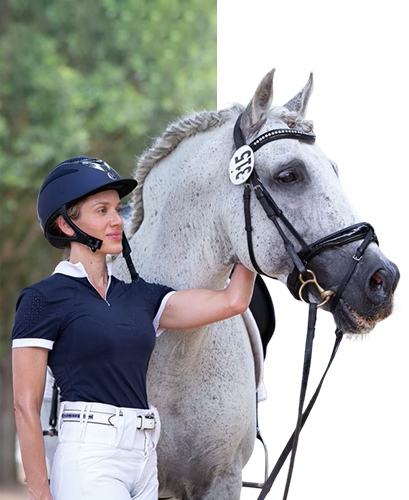
Fix Asymmetry in the Saddle and Improve Performance in the Saddle: Body Awareness Tips for Dressage Riders
Dressage is often described as the art of riding in harmony, where the horse and rider move as one balanced, controlled, and elegant unit. However, one of the most common issues riders face—often without realizing it—is asymmetry in the saddle. Even small imbalances in the rider’s body can affect the horse’s movement, straightness, rhythm, and overall performance.
At Functional Rider, we help dressage riders develop body awareness, correct imbalances, and improve performance in the saddle through rider-focused training and movement education. In this guide, we’ll explore what causes asymmetry, how it affects your horse, and practical body awareness tips to help you become a more balanced and effective dressage rider.
Understanding Asymmetry in the Saddle and Why It Matters in Dressage
Asymmetry in the saddle occurs when a rider places more weight on one seat bone, collapses through one hip, drops a shoulder, or carries uneven rein contact. Many riders believe they are sitting straight, but in reality, most people naturally have a stronger and weaker side.
This imbalance can cause several issues in dressage, including:
- Crookedness in the horse
- Difficulty maintaining straightness
- Uneven rein contact
- Trouble with lateral movements
- Resistance in transitions
- Poor canter leads or flying changes
- Saddle slipping to one side
Because the rider sits directly on the horse’s back, any imbalance in the rider directly influences the horse’s balance. In dressage, where precision and symmetry are essential, rider asymmetry can significantly limit performance and training progress.
Common Causes of Rider Asymmetry in the Saddle
Before fixing asymmetry, it’s important to understand what causes it. Most rider imbalances start off the horse, not on it.
Natural Human Asymmetry
Just like being right-handed or left-handed, most people naturally have:
- One stronger leg
- One tighter hip
- One more stable shoulder
- One side of the core stronger than the other
This natural asymmetry often shows up in the saddle as uneven seat bones or rein contact.
Previous Injuries
Old injuries—even from years ago—can cause compensation patterns in the body. A previous ankle, knee, hip, or back injury may cause you to unconsciously shift weight to one side.
Poor Posture and Desk Jobs
Many riders sit at desks for long hours, which can lead to:
- Tight hip flexors
- Weak glutes
- Rounded shoulders
- Forward head posture
- Uneven pelvis position
All of these posture issues follow you into the saddle.
Lack of Body Awareness
Many riders simply cannot feel that they are crooked. Without body awareness, it is almost impossible to fix asymmetry.
At Functional Rider, body awareness is the first step in correcting rider imbalance and improving dressage performance.
Signs You May Be Asymmetrical in the Saddle
If you are unsure whether you are asymmetrical, look for these common signs:
- One stirrup feels longer than the other
- Saddle slips to one side
- Horse drifts left or right
- One rein feels heavier
- You struggle more on one rein
- One hip feels tighter
- One shoulder drops forward
- Your trainer tells you to “sit up” or “straighten” often
- Difficulty sitting the trot evenly
- Trouble picking up one canter lead
If any of these sound familiar, rider asymmetry may be affecting your dressage performance more than you realize.
Body Awareness: The Key to Fixing Asymmetry in the Saddle
You cannot fix what you cannot feel. That’s why body awareness is the foundation of rider symmetry.
Body awareness means understanding:
- Where your weight is
- How your pelvis is positioned
- Whether your shoulders are level
- How your core is engaged
- How your legs hang around the horse
Professional dressage riders spend years developing this awareness because it directly affects the horse’s movement and performance.
Body Awareness Tips to Fix Asymmetry in the Saddle
Here are practical and effective body awareness tips from Functional Rider to help you become more balanced and improve your performance in the saddle.
1. Feel Both Seat Bones Evenly
Your seat bones are your foundation in the saddle. If you sit heavier on one seat bone, your horse will compensate by moving crookedly.
Exercise:
- Sit in the saddle at halt
- Place one hand under each seat bone (or have someone help you)
- Notice which seat bone feels heavier
- Gently shift your pelvis until both feel even
- Memorize this feeling
Practice this at halt, walk, and trot.
2. Stack Your Body Correctly
Correct alignment is essential for symmetry. Your body should be stacked as follows:
Ear → Shoulder → Hip → Heel
If one part of this line is off, your balance and effectiveness will suffer.
Tip: Have someone take photos or videos of you riding to check your alignment.
3. Improve Core Stability for Better Balance
A weak core is one of the biggest causes of rider asymmetry. Without core stability, riders collapse in one hip or lean to one side.
Focus on:
- Deep core muscles
- Obliques
- Lower back stability
- Glute strength
Off-horse exercises like planks, dead bugs, and glute bridges can significantly improve symmetry in the saddle.
4. Stretch Tight Hips and Legs
Tight hips—especially one tighter than the other—are a major cause of uneven seat bones.
Focus on stretching:
- Hip flexors
- Hamstrings
- Glutes
- Adductors
- Lower back
Stretch both sides, but spend extra time on the tighter side.
5. Ride Without Stirrups
Riding without stirrups helps you feel your seat bones and balance more clearly.
This helps:
- Improve seat awareness
- Even out weight distribution
- Strengthen your core
- Improve balance and stability
Start at walking and trot before progressing to canter.
6. Use Mirrors or Video Feedback
Many dressage arenas have mirrors for a reason—they help riders see crookedness they cannot feel.
If mirrors are not available, record your rides and look for:
- Dropped shoulder
- Crooked hips
- Uneven hands
- Leaning to one side
Visual feedback is one of the fastest ways to improve rider symmetry.
7. Check Your Rein Length and Hand Position
Uneven hands create uneven contact, which creates crookedness in the horse.
Make sure:
- Hands are level
- Rein length is even
- Elbows are bent and relaxed
- Hands are carried evenly above the withers
8. Develop Equal Strength on Both Sides
Many riders are stronger on one side, which affects leg aids and balance.
Improve symmetry by:
- Practicing movements equally on both reins
- Doing one-sided strength exercises off the horse
- Practicing transitions on the weaker side more often
How Fixing Rider Asymmetry Improves Dressage Performance
When the rider becomes more symmetrical, the horse can:
- Move straighter
- Use their back correctly
- Develop better rhythm
- Improve contact
- Perform better lateral movements
- Produce straighter transitions
- Improve collection
- Achieve better dressage scores
In dressage, straightness leads to balance, and balance leads to collection. And straightness starts with the rider.
At Functional Rider, we focus on improving rider movement, posture, and body awareness so riders can help their horses move better, perform better, and stay sound longer.
Off-Horse Exercises to Improve Rider Symmetry
To truly fix asymmetry, riders must work off the horse as well as on the horse.
Recommended exercises include:
- Planks
- Side planks
- Glute bridges
- Single-leg balance exercises
- Lunges
- Hip mobility exercises
- Thoracic spine rotation exercises
- Resistance band exercises
These exercises help correct muscle imbalances and improve body control in the saddle.
Creating a Body Awareness Routine for Dressage Riders
Here is a simple weekly routine:
3–4 times per week:
- Core workout (10–15 minutes)
- Hip mobility (10 minutes)
- Stretching (10 minutes)
Before riding:
- Pelvic tilts
- Hip openers
- Shoulder rolls
- Deep core activation
After riding:
- Stretch hips
- Stretch hamstrings
- Stretch lower back
Consistency is the key to fixing asymmetry and improving performance.
Final Thoughts: Rider Symmetry Is the Key to Dressage Success
Fixing asymmetry in the saddle is not about sitting stiff and straight—it’s about balanced, controlled, and aware movement that allows the horse to move freely and correctly.
At Functional Rider, our goal is to help riders move better so their horses can perform better. When rider symmetry improves, everything in dressage becomes easier—from transitions to lateral work to collection and overall harmony between horse and rider.
Functional Rider – Helping Riders Move Better, Ride Better, and Perform Better.